
Au Japon, une légende raconte que les feuilles de thé sont les paupières découpées de Bodhidharma. Ce dernier aurait fait le vœu de rester éveillé neuf ans, mais se serait assoupi avant. Il s’en serait tant voulu, qu’il enterra ses paupières, pour que apparaisse au même endroit, l’arbuste de thé dont la vertu est de maintenir éveillé. Voici pourquoi, en haut de l’illustration, l’œil éveillé, perd sa paupière en feuille de Camellia sinensis. Plante du thé, dessinée juste en dessous, fleurie, et en chabana, un style d’arrangement florale spécialement créé pour la cérémonie. À droite du vase la contenant, la table réunissant l’art du thé, dont je ne vous liste pas les différents ustensiles, car très codé. Seule une personne expérimentée peut pratiquer la cérémonie, et porte un kimono lors de son déroulement. Vous en trouverez un, représenté derrière le vase. Et si l’on suit cet arrière plan vers le jardin, on remarquera le tsukubai. Petit bassin d’ablution où l’on se penche pour se laver mains et bouche avant la cérémonie. Le chemin y menant est bordé de statuettes Jizô, et ainsi vous pourrez quitter tranquillement l’étiquette en forme de pavillon de thé.
Taille : 11,7 x 7,2 cm + le petit nuage et la fleur, l’étiquette dispose d’un espace vide, en bas, pour y inscrire le nom du thé de son choix. Elle n’est pas réservée au thé japonais, j’ai adoré m’inspirer de sa culture ancestrale sur l’archipel, mais Il existe maintenant des théiculteurs en France et autre part en Europe ; favorisons le local 🙂
Illustration faisant partie de l’enveloppe d’étiquettes Wabi-Sabi disponible le 17 octobre à 13:30 dans ma boutique Esty (lien dans la bio)
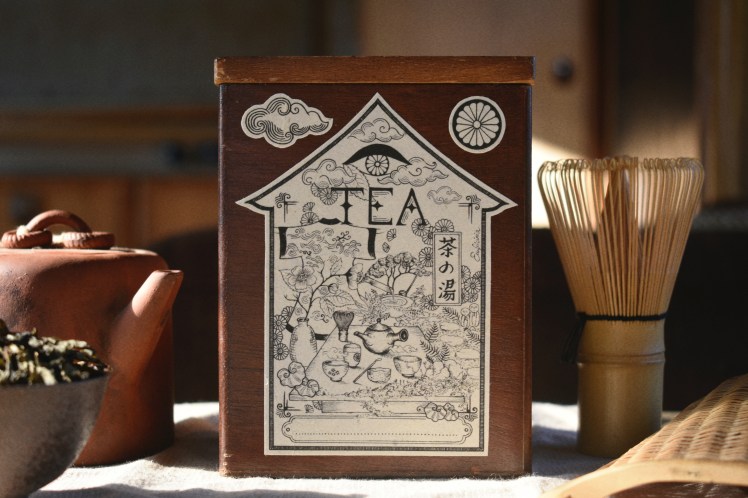
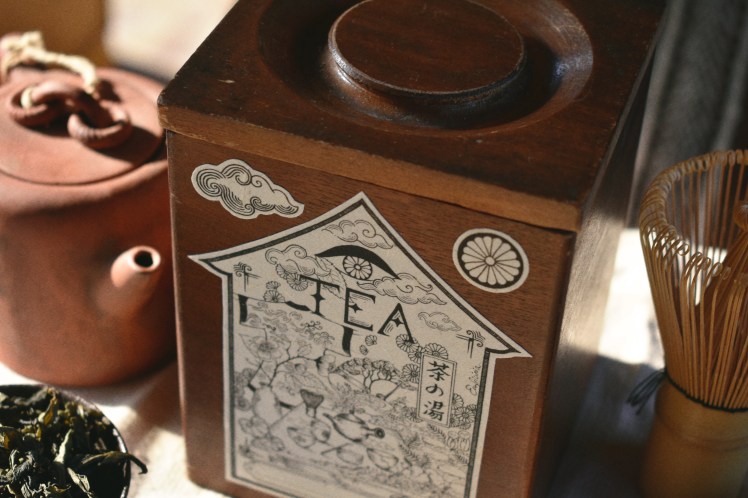
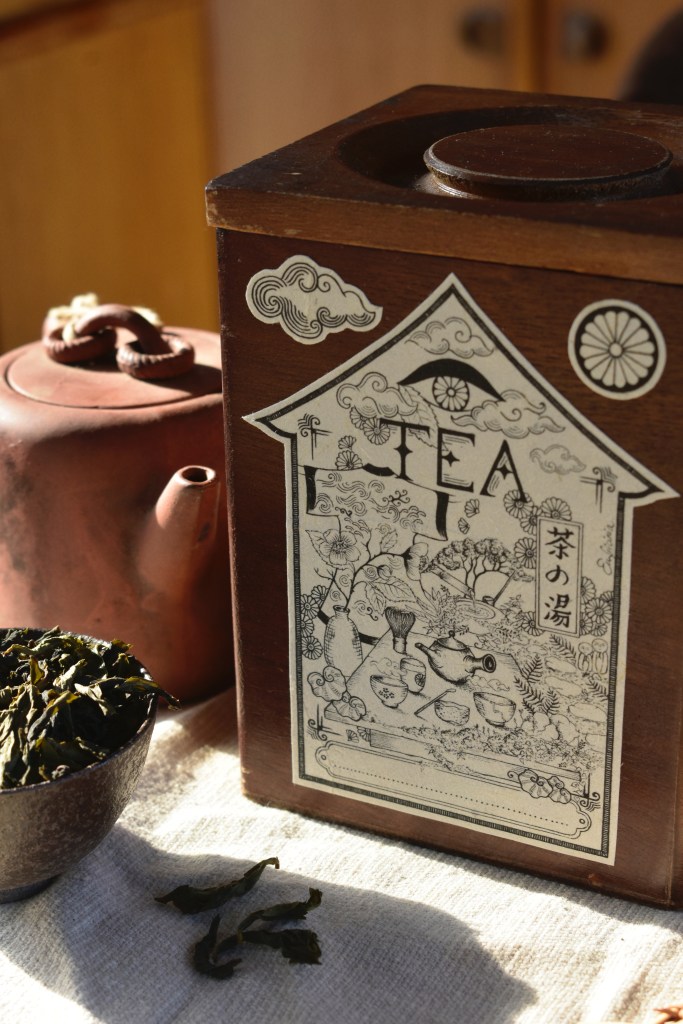
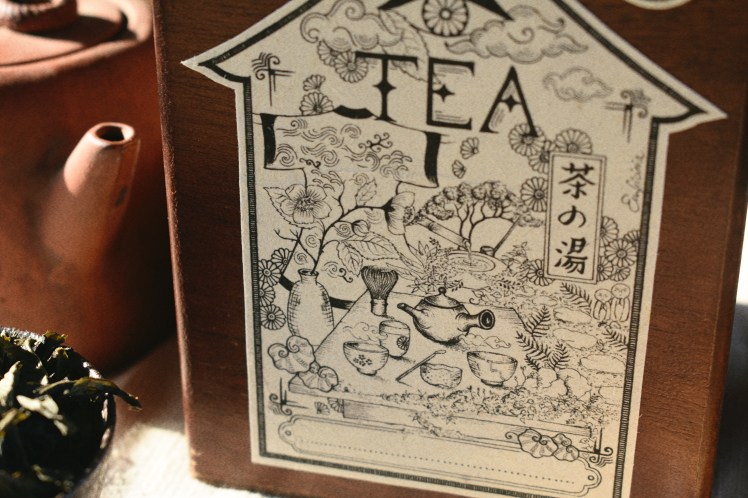
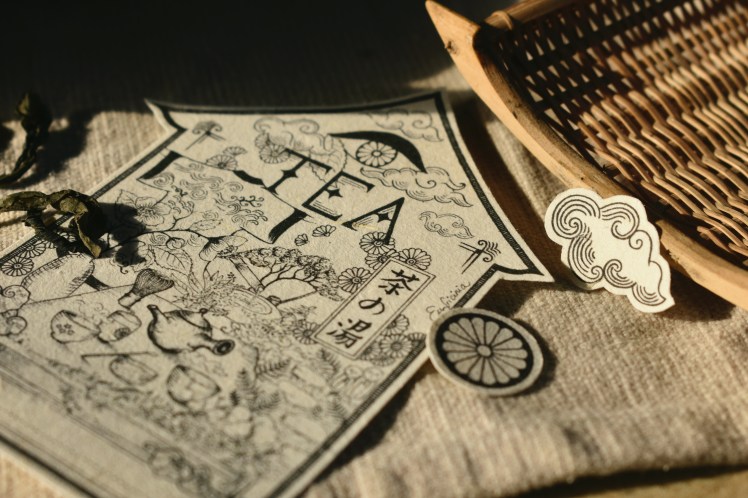
In Japan, a legend says, that the tea leaves are the cut eyelids of Bodhidharma. He made the wish to stay awake nine years, but he fell asleep before. He was so sorry, that he buried his eyelids so that a few years later, appear in the same place, the tea shrub, whose virtue of leaves is to keep awake. That’s why, at the top of the illustration, the awake eye loses its leaf-like eyelid of Camellia sinensis. The drawing of the Tea plant just below, flowery, is in chabana style, a floral arrangement specially created for the ceremony. To the right of the vase containing it, the table bringing together the art of tea, which I do not list the different utensils, because it is a very coded art. Only an experienced person can do the ceremony, and wear a kimono during its course. You will find one, represented behind the vase. And if we follow this background towards the garden, we will notice the tsukubai. Small basin of ablution where we lean to wash hands and mouth before the ceremony. The path leading there is lined with jizō statuettes, and so you can quietly leave the label in the form of a tea pavilion.
Size: « Large » + the small cloud and flower, the label has an empty space at the bottom to write the name of the tea of your choice. It is not reserved for Japanese tea, I loved to be inspired by its ancestral culture on the archipelago, but there are now tea growers in France and elsewhere in Europe; let’s favor the local:)
Illustration part of the wabi-sabi label envelope available on October 17 at 1:30 pm in my esty shop (link in bio)

